Electrical Panel Upgrade Done Right in Gilroy CA
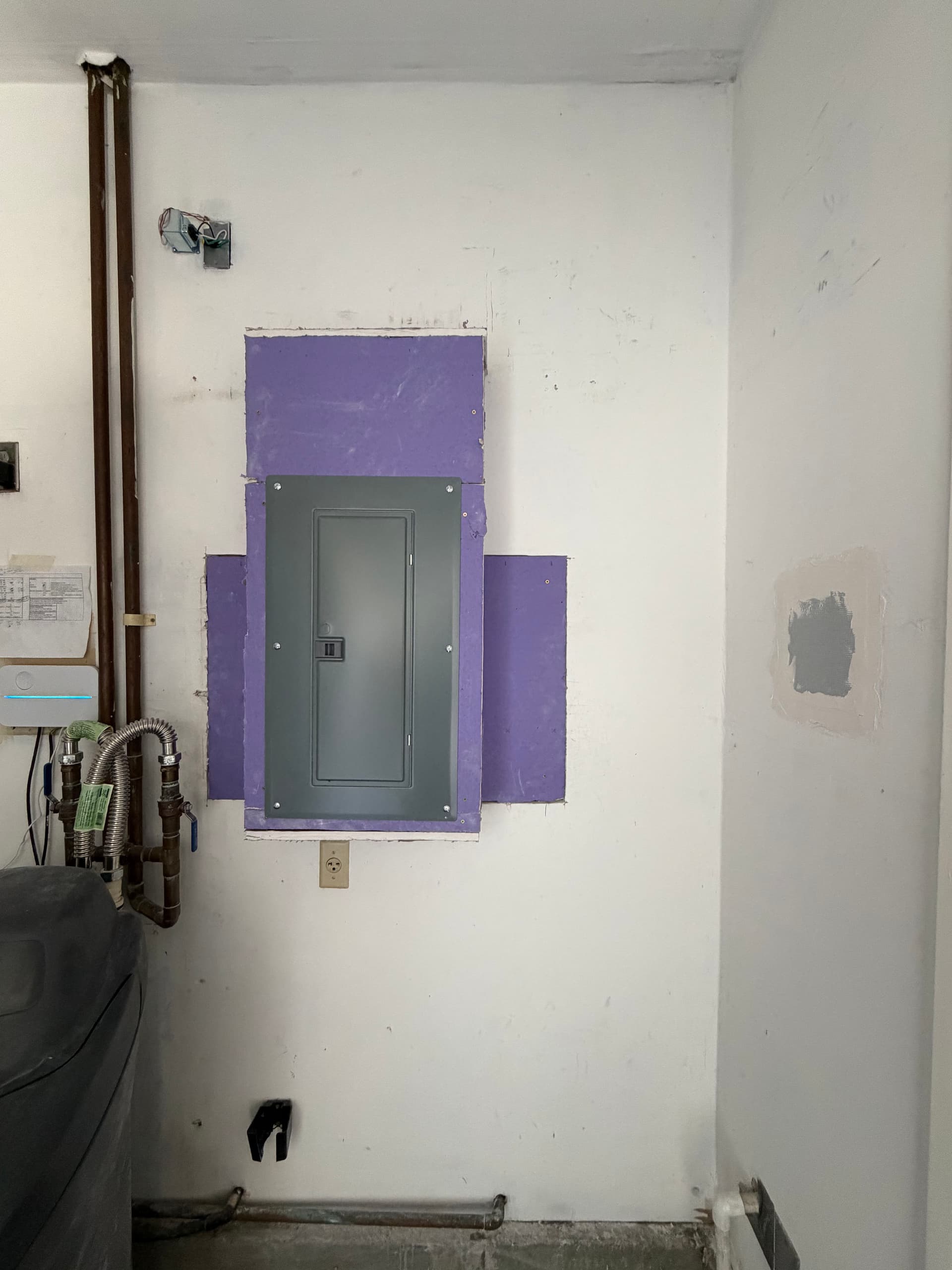
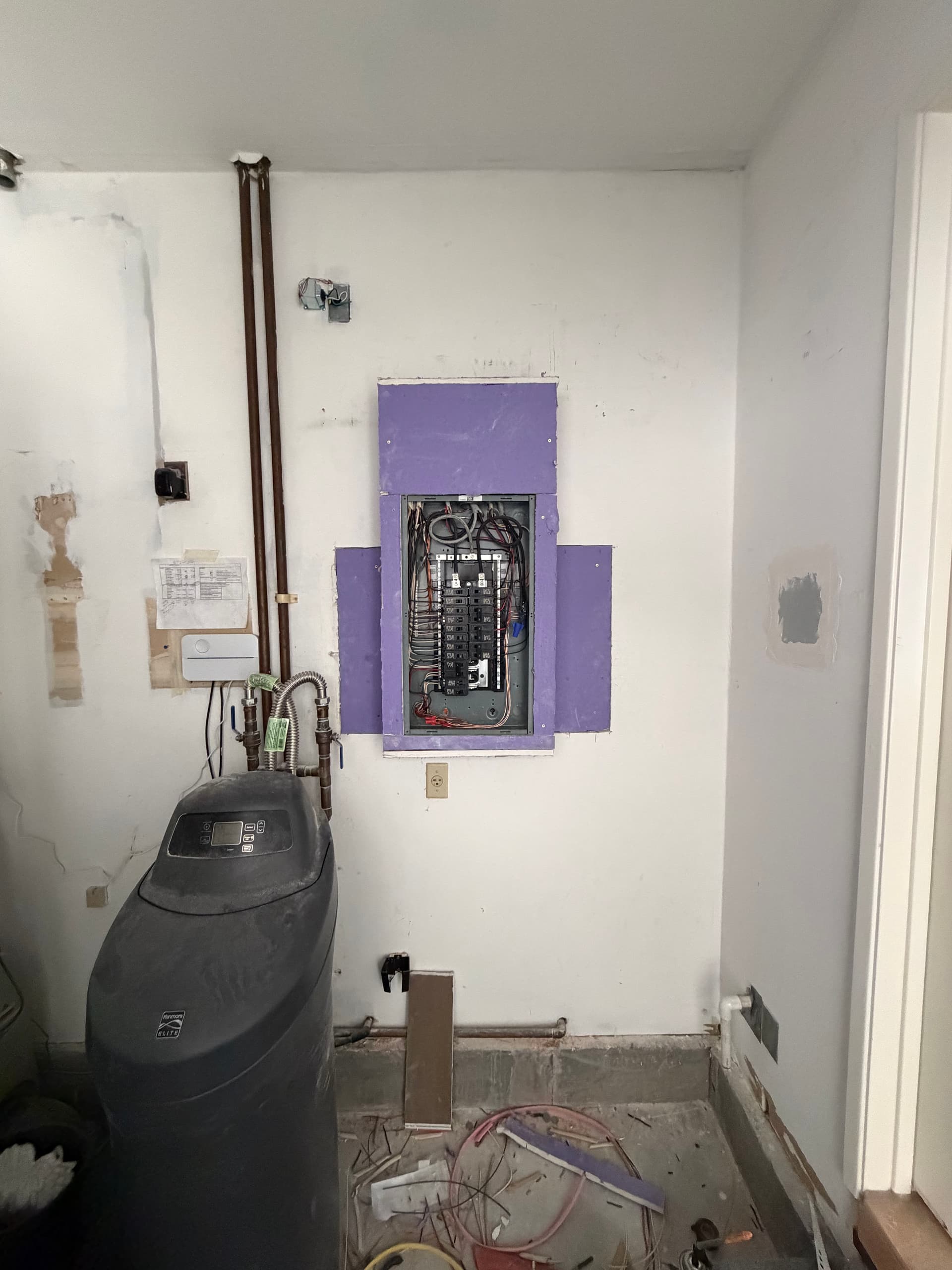
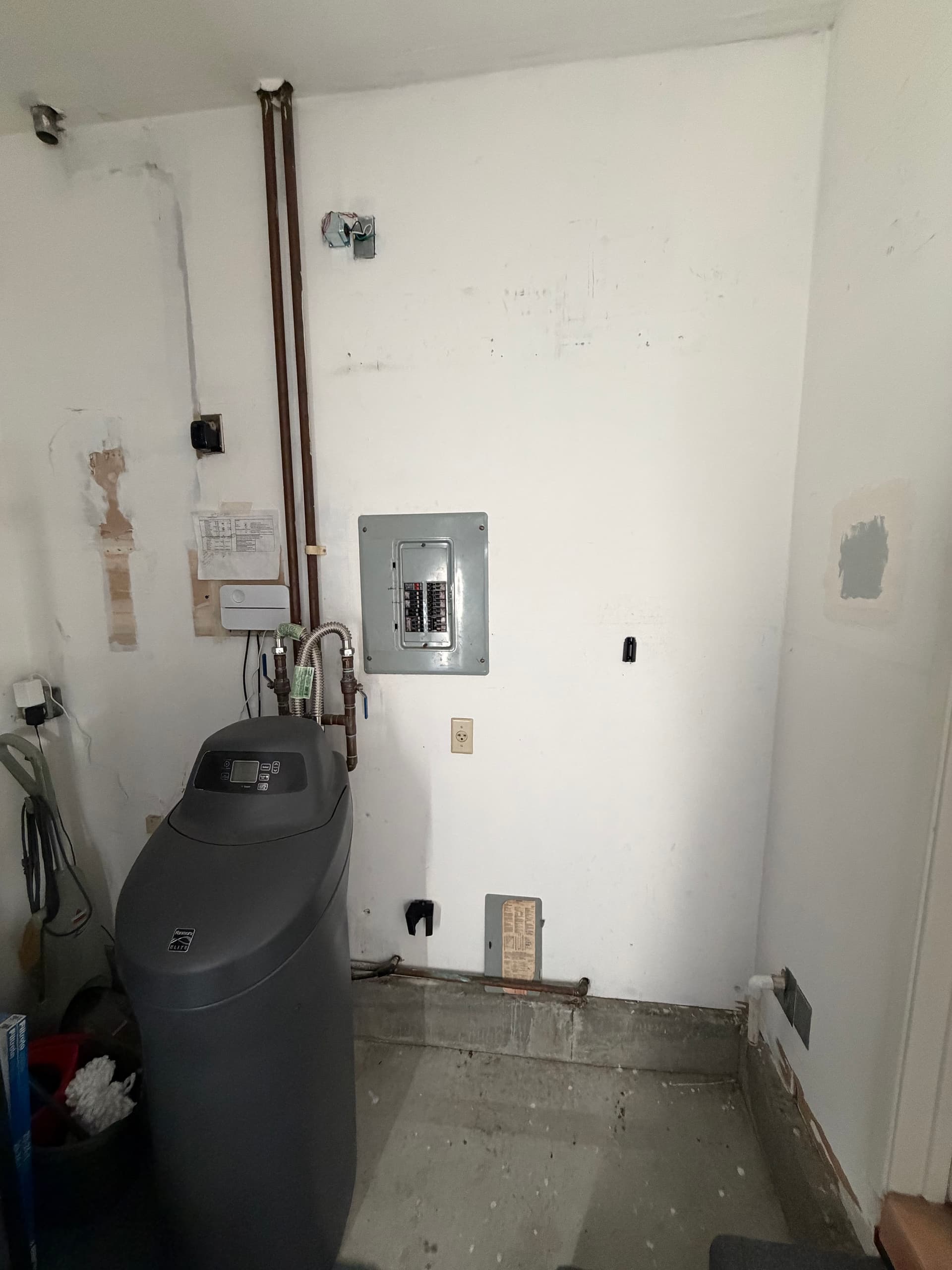
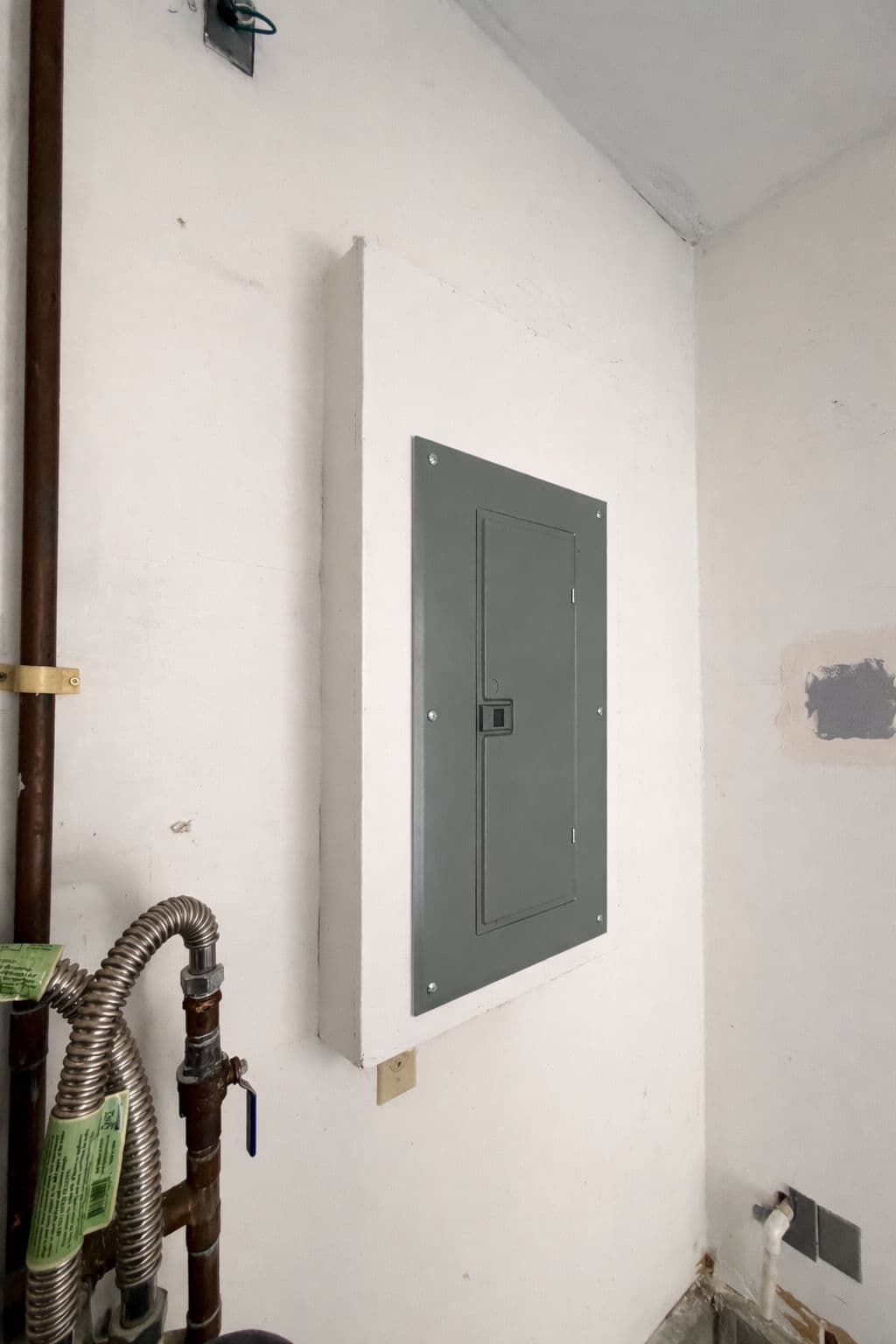
Most panel upgrades are straightforward - pull the old panel, install the new one, done. But sometimes the wall tells a different story. On this job in Gilroy, the existing setup wasn't up to current firewall safety code requirements, which meant we had to frame out the wall before we could even think about mounting the new panel. That's not a shortcut you can skip.
Here's what we were working with: an older, undersized panel sitting flat against a wall that didn't have the proper firewall separation built in. Before the new panel could go in, we framed out a recessed box in the wall - built to code - so the new enclosure would sit correctly and safely. It's one of those behind-the-scenes details that most people never think about, but it makes a real difference when it comes to fire safety and long-term performance.
The wiring phase is where it gets tedious. Every circuit has to be identified, properly terminated, and organized inside the new panel. Nothing rushed, nothing guessed at. A messy panel might still work, but it creates headaches down the road - for you, for future electricians, for inspectors. We take the time to do it clean.
Once everything was wired and verified, the cover went on and the job was done. The framed surround sits flush against the wall, the panel cover is secure, and the whole setup meets current code. This space - a utility room with a water softener and existing plumbing - now has an electrical panel that can actually keep up with the demands of the home.
Panel upgrades aren't just about adding more breakers. They're about making sure your home's electrical system is safe, legal, and built to handle whatever comes next. When code requires extra steps like firewall framing, that's not an obstacle - it's just part of doing the job right.